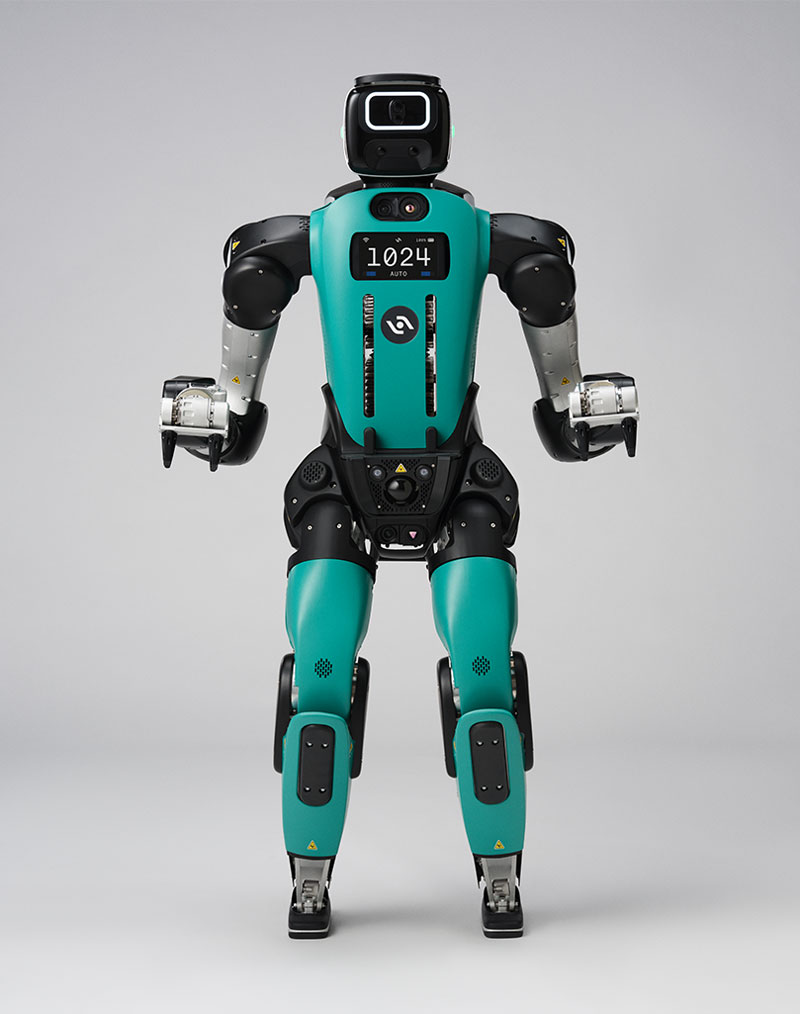
NVIDIA has integrated Isaac GR00T 1.7, its open vision-language-action model for humanoid robots, into Hugging Face's LeRobot platform. The integration includes Isaac Teleop, an open-source teleoperation framework for capturing human demonstrations in standardized formats. NVIDIA plans to add Cosmos 3, its frontier world foundation model, to the platform in coming months.
Isaac GR00T 1.7 is designed for post-training and deployment through LeRobot workflows, enabling developers to adapt the model to new robot embodiments and tasks. Isaac Teleop supports data collection from external devices, feeding datasets directly into LeRobot's training pipeline. Cosmos 3 will allow developers to generate synthetic robotics data and simulate scenarios where real-world data is costly or unavailable.
The collaboration addresses fragmentation in robotics development. While open-source AI has accelerated software innovation, physical AI remains gated by costly datasets, compute, and validation tools. By standardizing data formats and workflows, NVIDIA and Hugging Face aim to create a common development path for humanoid and mobile manipulation systems.
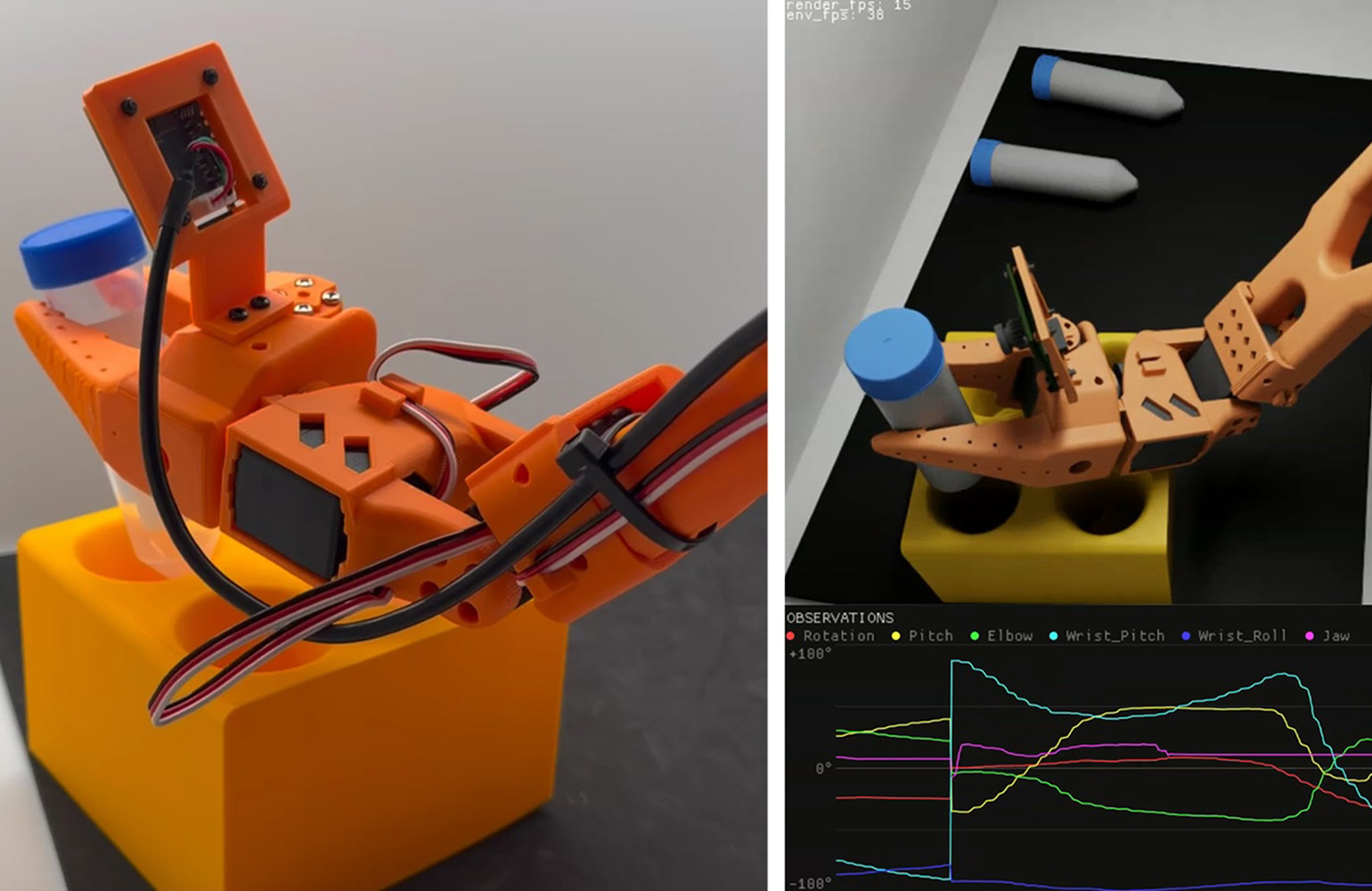
LeRobot already hosts a 15-million-download dataset with 350,000 real and simulated trajectories. The platform supports NVIDIA Isaac Sim and Isaac Lab simulation environments, and includes Jetson Thor integration for deploying VLA models on open-source humanoids like Reachy 2. The Isaac GR00T integration extends that ecosystem to include foundation model training and fine-tuning.
This positions LeRobot as a potential standardization layer for Physical AI development — similar to what Hugging Face achieved in NLP. If Cosmos 3 delivers on synthetic data generation, it could lower the capital barrier for teams without access to large-scale robot fleets.